What's actually happening out there
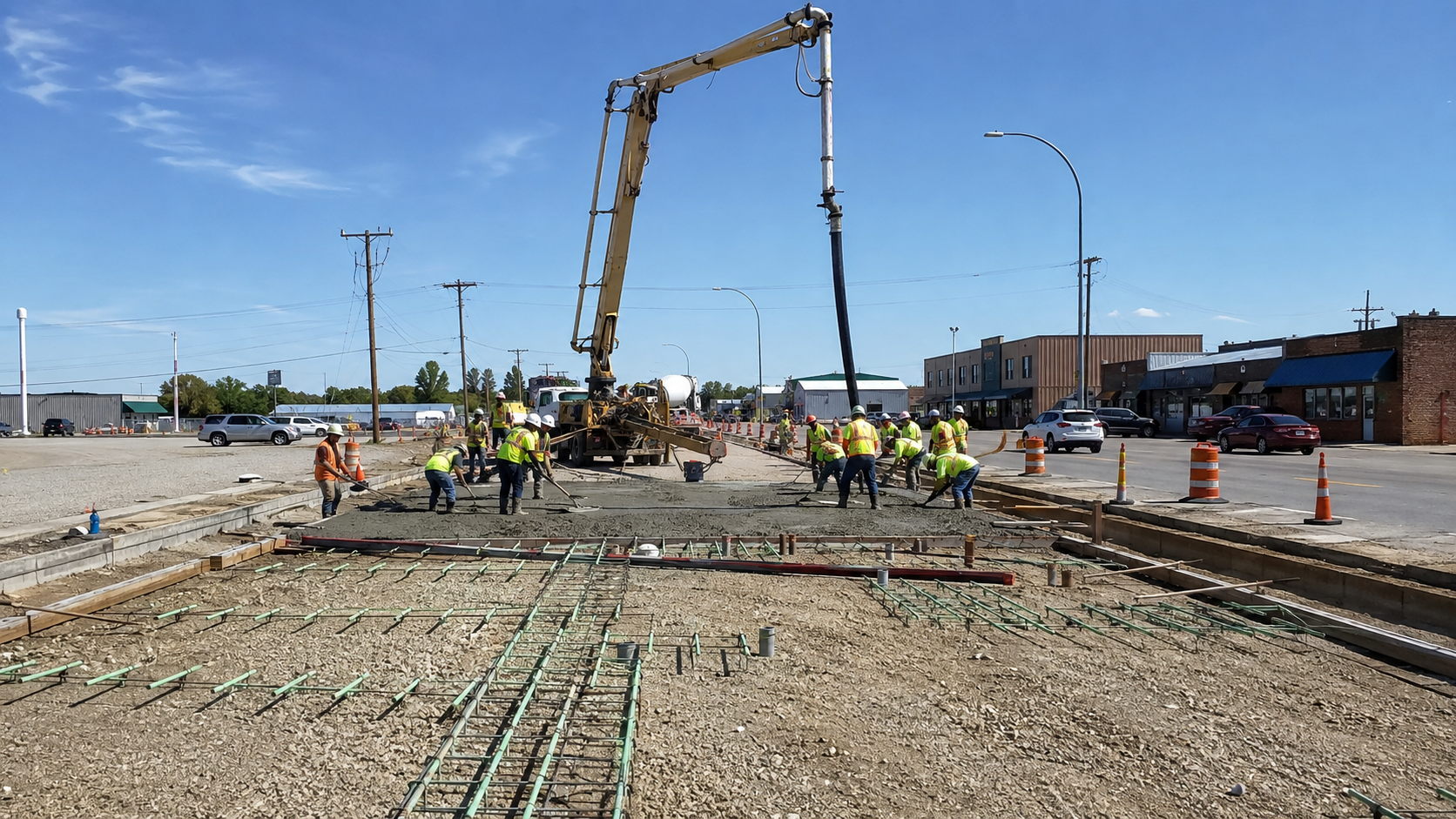
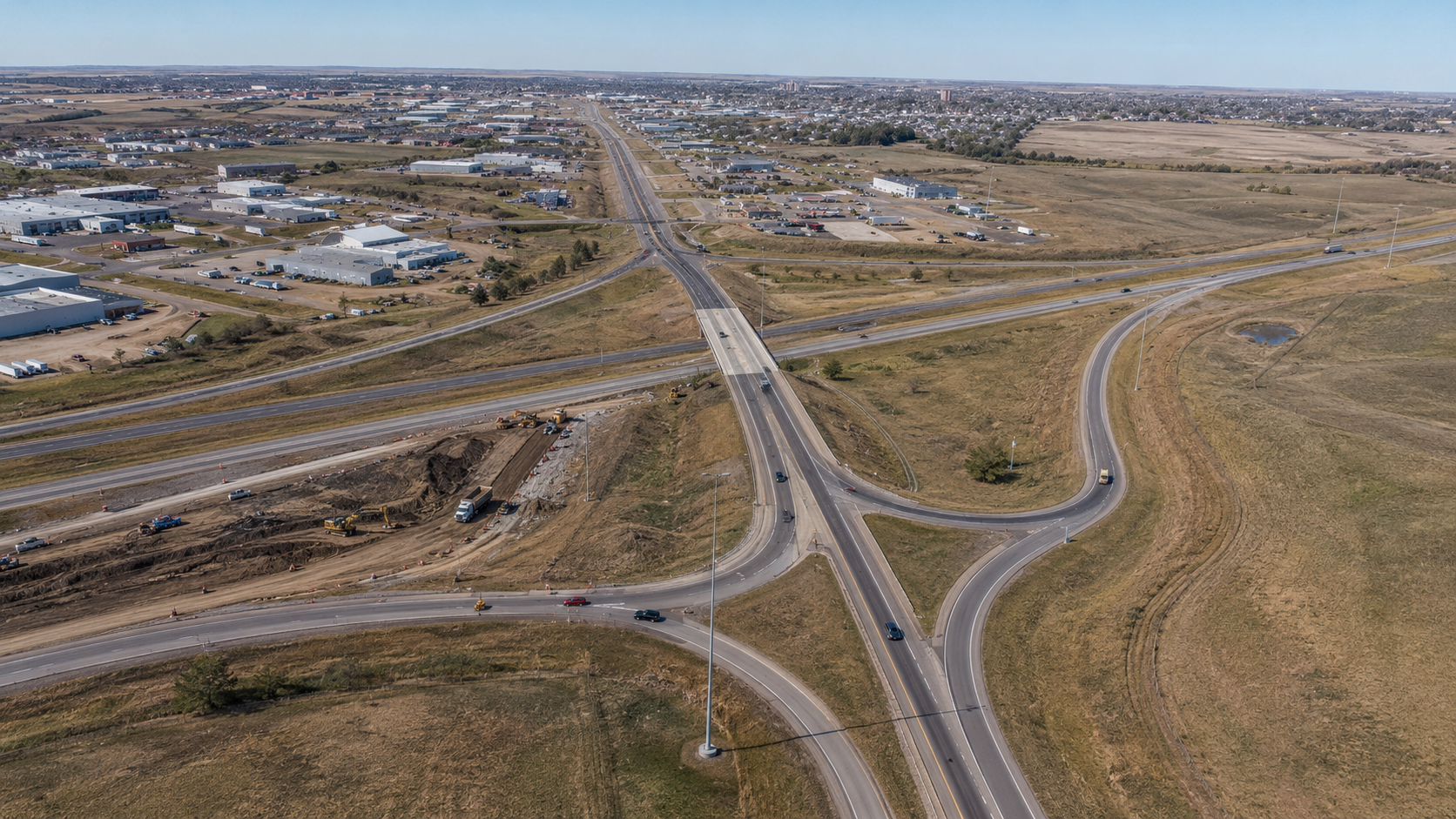
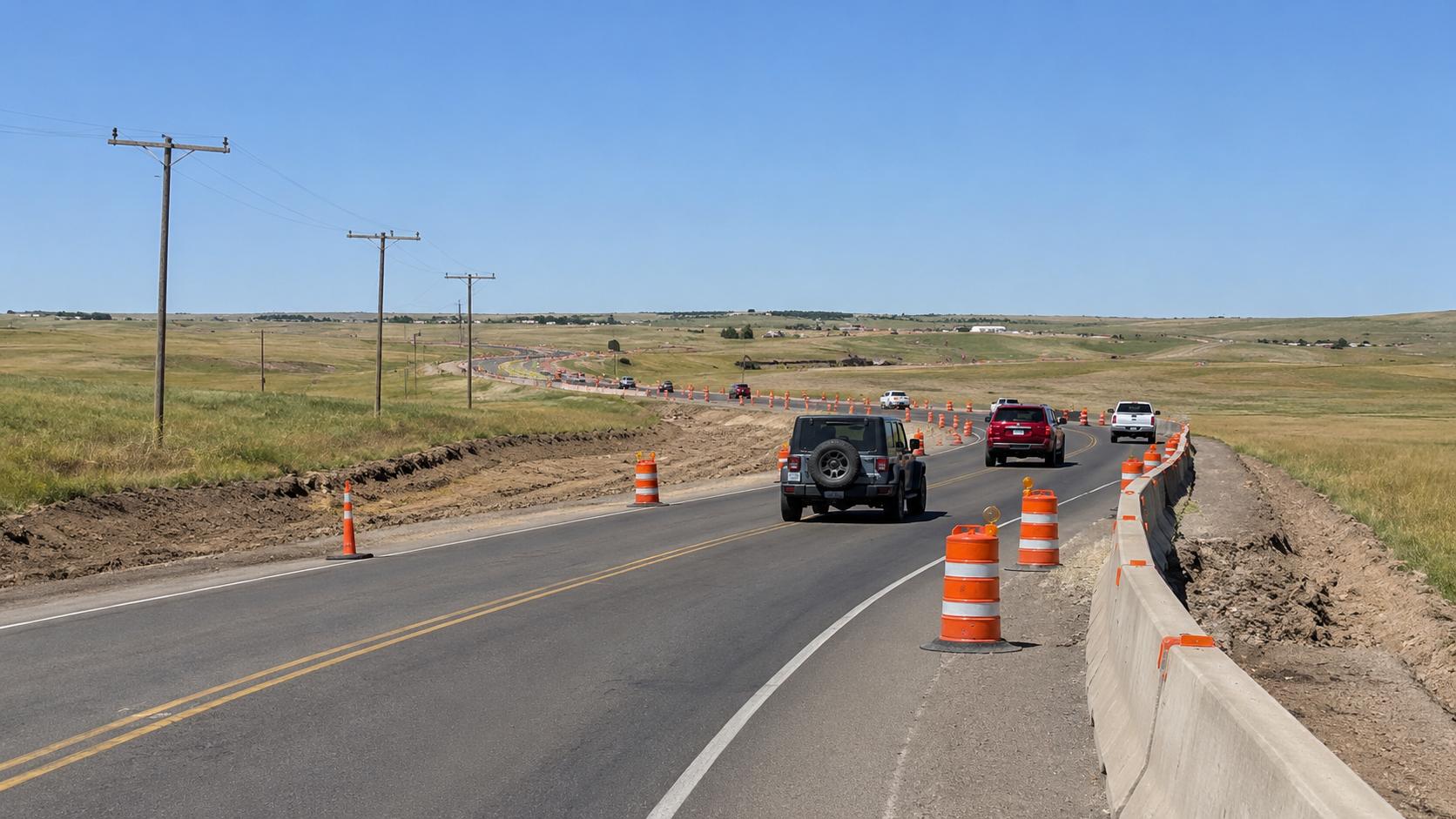
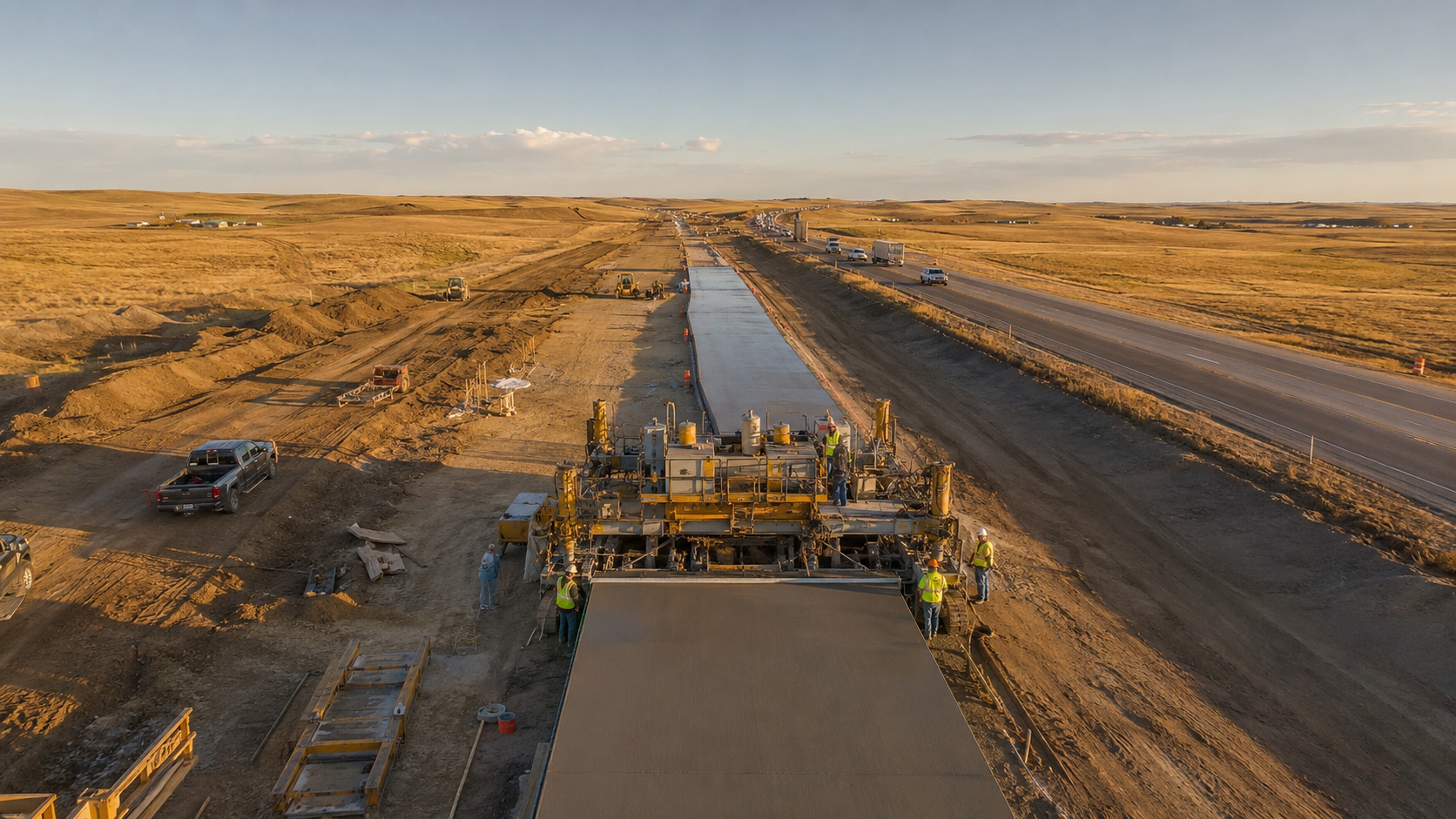
The city and NDDOT are rebuilding the West Business Loop, from the west I-94 interchange all the way to State Avenue. It is a real project — turning what used to be a rural-style two-lane stretch into a proper three-lane urban road with lighting and a shared-use path. Traffic is supposed to keep flowing on a paved bypass the whole time, so nobody is getting stranded.
But "under construction" in western North Dakota means torn-up ground, staged equipment, and gravel base sitting exposed to whatever wind rolls through — and this is prairie wind, so it does not take much. Add trucks and heavy equipment moving in and out of the site all day, and you have a steady supply of fine dust getting kicked into the air and grit carried out on tires, then dropped onto every road that connects to it.
The official updates cover lane shifts, detour timing and which side streets are closed this week. Nobody is writing about what it is doing to your car, your storefront or your living room carpet.
Why it's worse than normal road dust
A few things are stacking up at once:
- It's a dry-season project. Substantial completion is not expected until late October, so this is not a two-week disruption — it is most of a construction season.
- The soil is fine and loose. Prairie topsoil kicks up easily and travels farther than heavier clay or sand would.
- Traffic is funneled through it. With a temporary bypass running right through the work zone, every car and truck using that route picks up dust and tracks it onward into parking lots, garages and eventually your entryway.
None of that is anyone's fault. It is just what an active reconstruction project does to a dry corridor for six months.
What you can actually do about it
You cannot make the project move faster, but you can stay ahead of what it leaves behind:
- Rinse your car more often than usual, especially the wheel wells and undercarriage — that is where road grit likes to hide and eventually cause paint or trim wear.
- Keep a stiff outdoor mat at every entrance you use regularly, right through October. It sounds basic, but it is the single biggest thing that keeps grit from making it past your front door.
- Vacuum floor mats and entryways more frequently than your normal schedule. Fine dust settles fast and grinds into carpet fibers if it sits.
- Business owners along the corridor should consider a walk-off mat program or a more frequent sweep schedule near the entrance through the fall. Customers notice a clean storefront even when the street outside looks like a construction zone.
The carpet side of the problem
Construction dust is more abrasive than ordinary household soil. Once it works past the tips of carpet fibers and settles near the backing, every footstep grinds it against the sides of the fibers. Over a season that can dull the pile and create traffic lanes that look gray even after cleaning. Our high-traffic lane cleaning page explains how those patterns form and what helps.
The best timing is usually to clean after the worst of the dry season has settled out — late fall, before winter salt and ice melt start their own kind of damage. Warm autumn air also means faster drying; see how long carpet takes to dry for what to expect.
The upside
Once striping wraps up next summer, Dickinson gets a wider, better-lit, safer Business Loop with a proper shared-use path — a real upgrade for a corridor that has needed one for a while. The dust and grit are the toll for getting there. Knowing that going in makes it easier to just deal with it, rinse the car, and get on with your week.
Driving the West Business Loop regularly this fall? Give your car — or your carpets — a little extra attention. It will save you the bigger cleanup later. If you want help with the carpet side, get in touch or read about what affects cleaning cost.